
Private label pet supplies are not only about placing a logo on a product. For importers, pet stores, retail chains, and e-commerce sellers, packaging and QC decide whether the product can be sold smoothly, photographed professionally, displayed clearly, and reordered with confidence. A good private label project connects product selection, packaging design, label information, carton protection, inspection, and delivery planning.
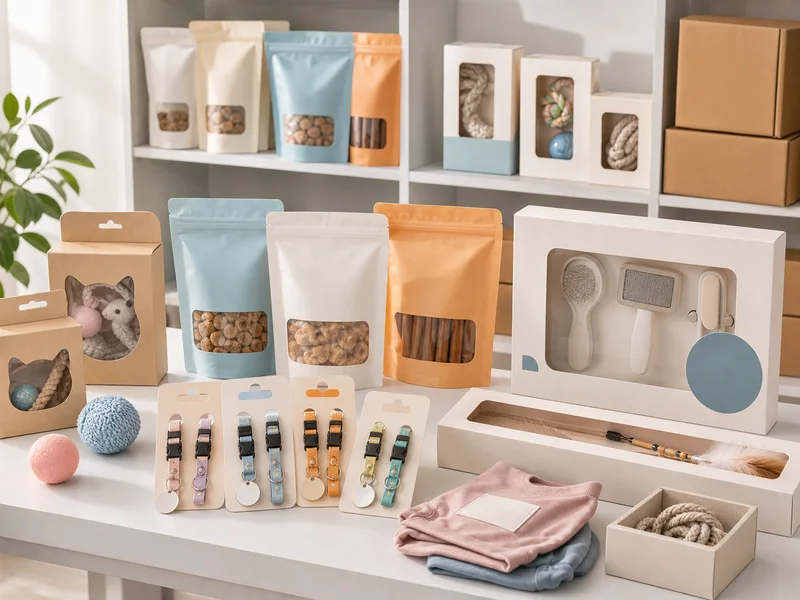
This checklist is designed for buyers preparing packaging support through a one-stop supply platform.
1. Confirm the product role before designing packaging
Packaging should match the role of the SKU. A fast-moving accessory in a pet store may need a clear hang card and barcode. A premium grooming tool may need stronger retail packaging and a more refined product photo. A toy bundle for e-commerce may need compact packaging that protects the product during parcel delivery. A seasonal product may need faster production and simpler packaging to avoid missing the sales window.
Before requesting packaging options, define whether the SKU is a test product, core reorder SKU, gift set, seasonal promotion, or brand-building item. This prevents over-designing low-volume products and under-designing products that need retail impact.
2. Choose the right packaging level
Private label packaging can be built in stages. The right level depends on MOQ, budget, lead time, and sales channel:
- Neutral packaging: suitable for early testing or wholesale supply where branding is less important.
- Sticker or label: flexible for low MOQ trials and simple brand identification.
- Hang card: useful for collars, leashes, grooming tools, toys, and small accessories in retail display.
- Printed box: better for gift sets, grooming kits, premium accessories, or products needing stronger shelf presentation.
- Custom bag or pouch: suitable for soft goods, apparel, and some accessories when color and design consistency matter.
If you are unsure which level fits the order, the private label packaging service can help compare options by category and MOQ.
3. Prepare label information early
Many delays happen because label details are discussed too late. Buyers should prepare brand name, product name, size, color, material, country of origin requirements, barcode, warning statements, importer information, and language requirements. For products involving hygiene, disinfection, pet care, or functional claims, the importer should confirm local compliance requirements before printing.
Xinji Pet Supplies can coordinate packaging and supplier communication, but final market label responsibility should be checked by the buyer or importer in the destination market.
4. Match packaging material to product risk
Different pet supplies need different protection. Rope toys, plush toys, silicone bowls, grooming tools, spray bottles, ceramic bowls, and dog shoes do not share the same risk profile. Packaging should protect the product from compression, moisture, rubbing, deformation, leakage, or surface scratches.
For fragile or surface-sensitive products, ask for inner protection and carton structure. For soft products, confirm compression after packing. For products with liquids or cleaning functions, confirm closure, leakage risk, carton orientation, and whether additional bagging is needed.

5. Approve samples with packaging, not only product
A product sample without packaging is incomplete for a private label order. Buyers should review the product and packaging together whenever possible. Check the logo position, print color, spelling, barcode, material description, size information, warning statements, carton label, and product fit inside packaging.
For e-commerce sellers, sample approval should also include product photo quality. The packaging should look clear in photos, survive parcel delivery, and communicate the product without relying on long descriptions.
6. Build a practical QC checklist
A useful QC checklist should be specific enough for the product category. For pet supplies, typical checkpoints include:
- Product size, color, material, and weight compared with approved sample.
- Logo position, print color, label accuracy, and barcode readability.
- Packaging material, sealing, folding, hanging hole, box strength, or bag quality.
- Quantity per inner box and export carton.
- Surface defects, loose parts, stitching, bonding, smell, sharp edges, or leakage risk.
- Carton mark, shipping mark, gross weight, carton dimensions, and pallet or loading requirement if applicable.
For a mixed order, the checklist should be organized by SKU and category so inspection does not become confusing during consolidation.
7. Keep carton and shipment planning connected
Private label packaging can increase carton volume. A beautiful box that wastes space can raise shipping cost and make mixed orders harder to consolidate. Before finalizing packaging, buyers should consider carton quantity, carton dimensions, weight, product protection, and whether the order will ship alone or with other categories.
This is especially important for buyers combining toys, apparel, grooming items, walking accessories, and feeding products. Our mixed container supply support helps buyers think about product grouping, inspection, and delivery before the final order is packed.
8. What to send for a private label quote
To start a private label pet supplies project, send the product category, reference product, expected quantity, target market, logo file if available, packaging preference, barcode requirement, and any known label rules. If you already have packaging artwork, send editable files as early as possible. If not, send examples of the packaging level you want.
For broader product planning, start from the product categories page or send a direct request through Contact Us. We can help prepare product options, packaging direction, sample plan, QC checkpoints, and export delivery steps for your private label program.