
Retail-ready packaging is more than adding a logo. For pet supplies buyers, packaging affects shelf presentation, e-commerce photos, warehouse receiving, barcode scanning, product protection, customer trust, and reorder consistency. A collar, leash, toy, grooming brush, feeding bowl, bed, carrier, litter accessory, or hygiene item may each need a different packaging format.
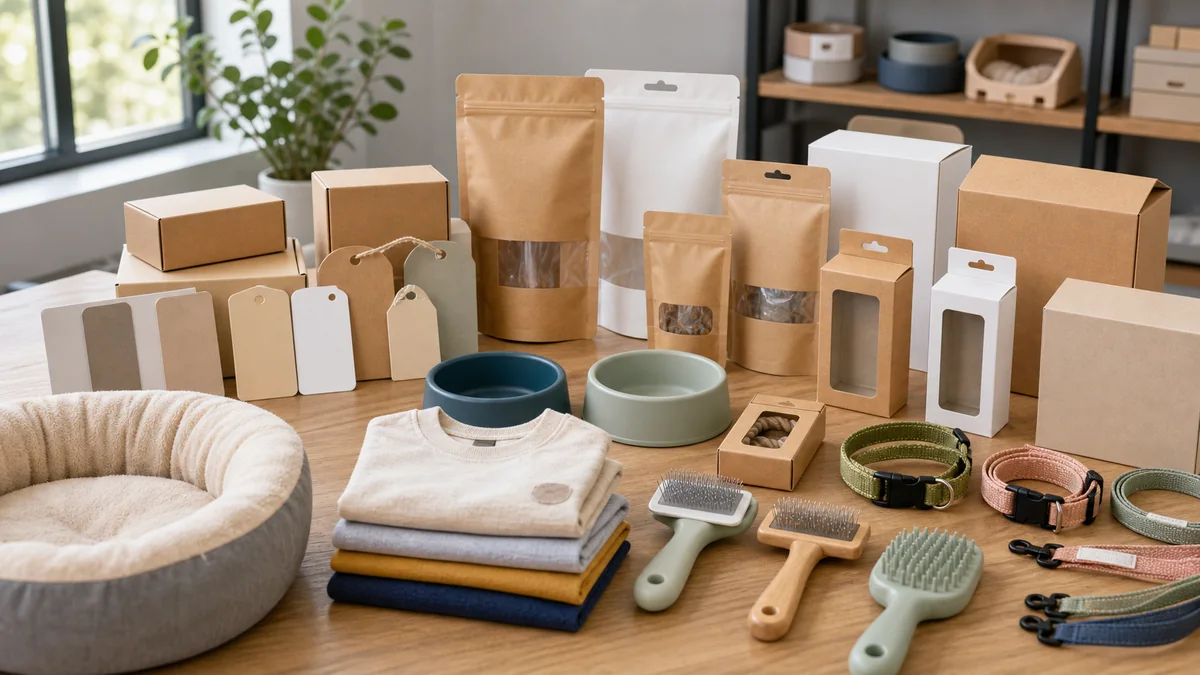
This checklist helps private label buyers prepare packaging requirements before production starts.
Define the Selling Channel First
Packaging should be built around the sales channel. A pet store shelf, a distributor carton, an Amazon-style e-commerce shipment, and a subscription box do not need the same packaging.
- Pet store shelf: needs clear product view, hang hole or display structure, barcode, size, and simple benefit text.
- Distributor or wholesaler: needs strong carton marks, SKU labels, and easy warehouse handling.
- E-commerce: needs parcel protection, clean product photo presentation, and readable label information.
- Brand website: may need stronger unboxing experience and coordinated brand colors.
- Promotional set: may need bundle labeling, mixed components, and giftable packaging.
Clarifying the channel first prevents unnecessary packaging cost.
Choose the Right Packaging Structure
Pet supplies packaging formats commonly include poly bags, hang tags, header cards, sleeves, color boxes, blister packs, display cards, cloth bags, labels, stickers, and export cartons. The right structure depends on product type and display needs.
- Collars, leashes, and harnesses: hang tags, display cards, or sleeves.
- Dog apparel: hang tags, size labels, folded bags, or display packaging.
- Pet toys: header cards, hang tags, mesh bags, or color boxes for premium items.
- Grooming tools: blister cards, sleeves, or boxes depending on tool shape.
- Feeding products: protective boxes or simple labels depending on material.
- Beds and carriers: hang tags, fabric labels, warning labels, and carton marks.
- Hygiene products: label language and market compliance need extra attention.
For category planning, compare dog supplies, cat supplies, and packaging support.
Prepare Label Content Before Artwork
Artwork becomes slow when label content is incomplete. Buyers should prepare product name, size, material, care instruction, warning text, barcode, SKU, country of origin requirements, importer information if required, and target market language.
Some categories may need stricter review. Hygiene products, cleaning products, sprays, supplements, electrical items, and products with safety claims should be checked carefully for the destination market. Avoid making unsupported claims on packaging.
Barcode and SKU Control
Barcode mistakes create receiving and checkout problems. Before mass production, buyers should confirm barcode file format, printed size, quiet zone, contrast, and scan result. SKU codes should match purchase orders, carton marks, warehouse systems, and sales listings.
For mixed-category orders, use a consistent SKU naming system. A collar, toy, bed, grooming tool, and bowl should not use unrelated naming formats if they will be handled by the same warehouse team.
Request Packaging Proofs and Approval Photos
Before production, ask for digital artwork proof. Before bulk packing, ask for physical packaging photos or samples when the risk is high. Approval photos should show front, back, side, barcode, label language, product inside packaging, inner pack, and export carton mark.
For private label programs, keep the approved photos in the reorder file. This helps prevent small changes in future production batches.
Check Packaging Protection
Retail packaging should look good, but export packaging must also protect the product. Fragile feeding products, grooming tools, electronics, bottles, beds, and carriers need proper inner packing. Toys and soft accessories may need less protection but still require clean packing and carton control.
Buyers should review carton strength, units per carton, gross weight, carton size, and whether the packaging can survive international handling. For mixed containers, carton uniformity and clear marks reduce warehouse confusion.
Retail-Ready Checklist
- Selling channel and display method confirmed.
- Packaging structure selected by product type.
- Logo, brand colors, and artwork files provided.
- Product name, size, material, warning text, and label language prepared.
- Barcode file provided and scan test required.
- SKU and carton mark rules confirmed.
- Packaging proof and approval photos requested.
- Inner packing and export carton protection checked.
- Reorder file saved for future batches.
Retail-ready packaging should help the product sell, move through the warehouse, and arrive in good condition. If you are preparing a first private label program, review the private label launch plan and send your packaging requirements through the contact page.