
Cat trees, scratching towers, window hammocks, and compact scratchers are no longer narrow add-on products for cat owners. For many pet stores, online retailers, and importers, cat furniture has become a practical category that can support higher basket value, seasonal refreshes, and a wider assortment around indoor cat care.
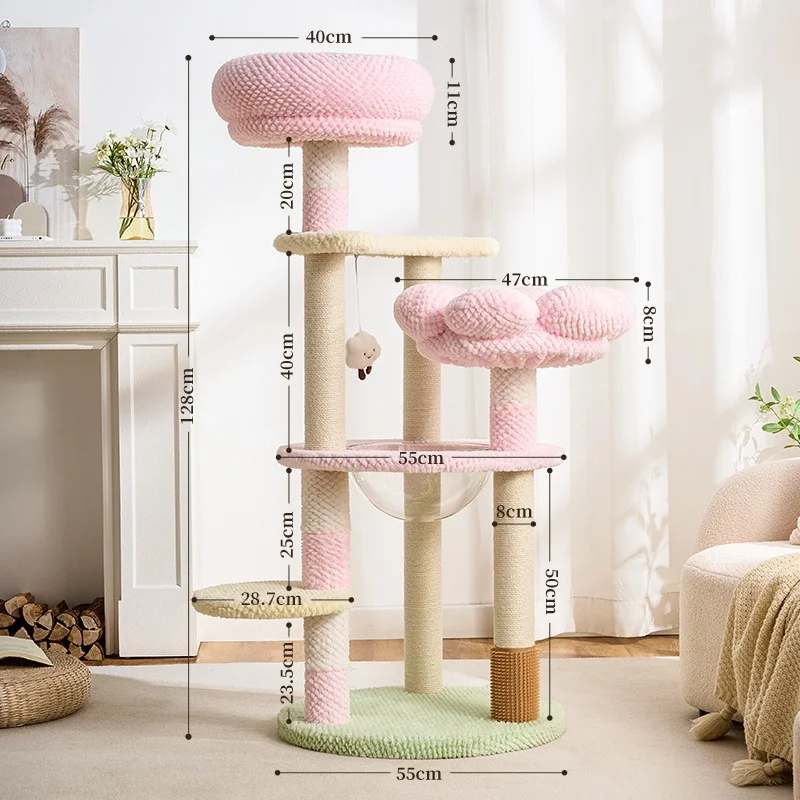
The reason is simple: more households are keeping cats indoors, and indoor cats need climbing, resting, scratching, and hiding spaces. A single cat toy can be an impulse purchase, but a cat tree or scratching product often solves a daily home problem: protecting furniture, giving cats a dedicated territory, and making apartment living more comfortable. For buyers, that creates a category with strong visual appeal and multiple price levels.
For a broader store assortment, cat furniture should be planned together with other daily-use products, not selected as one isolated SKU. This is the same planning logic behind a balanced pet supplies assortment from China: combine fast-moving entry items with larger display products, then use mixed orders to test different sizes, materials, and price points.
Why demand for cat trees and scratchers is active
Several retail trends support stronger demand for cat climbing products:
- Indoor cat ownership keeps growing. Indoor cats need exercise, scratching surfaces, and vertical territory. A cat tree combines these functions in one visible product.
- Apartment living favors compact furniture. Window hammocks, wall-leaning scratchers, and floor scratchers help stores serve customers who do not have space for a large tower.
- Home decor matters. Buyers are looking for softer colors, wood-look finishes, acrylic bowls, and designs that fit modern homes instead of purely basic scratch posts.
- Retailers need products with display value. A good cat tree photo or in-store sample can help customers understand the function immediately.
- Scratching products wear out. Sisal, felt, and cardboard scratchers create repeat purchasing opportunities when customers replace used surfaces or add a second item for another room.
This is why a cat furniture program should include both large products that lift order value and smaller scratchers that can sell more frequently. Importers can also use a mixed container pet supplies SKU plan to combine cat trees with toys, grooming items, hygiene products, and seasonal products instead of filling an order with only one bulky category.
A practical cat furniture buying list
Instead of treating “cat tree” as one product, buyers should build a small product group. The following structure gives stores several customer choices while keeping the assortment manageable.
| Buying role | Recommended product type | Retail purpose |
|---|---|---|
| Core display item | Multi-level cat trees and scratching towers | Main visible category item for customers who want climbing, resting, scratching, and play functions in one product. |
| Premium style item | Wooden cat trees with sisal scratching mats | Higher perceived value for buyers who care about home decor, stronger structure, and a more furniture-like appearance. |
| Modern visual item | Acrylic bubble cat trees and space capsule towers | Eye-catching product for online listings, social content, and premium cat activity ranges. |
| Small-space solution | Window-mounted cat hammocks and suction cup climbers | Compact option for apartment customers and stores that need lighter carton volume. |
| Repeat purchase item | Cat scratching boards and lounge scratchers | Lower-price add-on item that can be replaced more often and bundled with cat toys or litter accessories. |
Buyers can review the full cat trees and scratching posts category when building a quotation list. The goal is not to buy every model at once; the better approach is to choose one or two hero items, two compact options, and several replenishment-style scratchers for testing.
How to choose the first product mix
For a first order, a useful mix often includes three levels:
- Entry level: small cat scratchers, lounge scratchers, and wall-leaning scratchers for price-sensitive customers and add-on purchases.
- Mid level: standard multi-level cat trees with sisal posts, platforms, soft baskets, and dangling toys.
- Premium level: wood-look towers, acrylic bubble designs, capsule towers, or larger furniture-style models for higher-margin listings.
For stores that are testing cat furniture for the first time, it is usually better to avoid too many similar towers. One pink plush model, one wood-look model, and one compact window or wall-mounted product can show the category more clearly than three towers with only small color differences.
Buyers should also think about how these products appear together with cat toys and daily cat supplies. A store can place cat teaser wands, plush cat toys, grooming items, and litter accessories around a cat tree display. Online retailers can cross-link cat furniture with toy bundles and scratching replacement products, which helps customers build a complete indoor cat setup.
Key sourcing checks before placing an order
Cat furniture is more complex than many small pet accessories because it has size, structure, carton volume, and assembly requirements. Before confirming an order, buyers should check the following points.
1. Stability and load expectations
Ask for product dimensions, base size, recommended cat weight, and assembly method. Larger towers need enough base stability, especially when there are high platforms or hanging baskets. If the product will be sold through e-commerce channels, the listing should not overstate load capacity.
2. Material and scratching surface
Sisal posts, sisal mats, felt panels, plush fabric, wood-look panels, and acrylic bowls all communicate different price levels. Buyers should match material choices to their target market instead of only choosing the cheapest version. Scratch surface quality is especially important because customers will judge the product after daily use.
3. Carton size and freight efficiency
Cat trees can take significant shipping space. Check packed dimensions, gross weight, carton strength, and whether the product ships flat-packed. For mixed orders, the buying plan should balance bulky cat furniture with smaller products. This is also where a pet store reorder planning process can help: test first, track which SKUs move, and then repeat only the stronger models.
4. Assembly instructions and spare parts
Good instructions reduce after-sale problems. Screws, posts, platforms, and accessories should be clearly labeled. For larger customers, spare posts, screws, or small replacement components can make the program easier to manage.
5. Packaging for retail and online channels
Retail-ready packaging matters because cat furniture cartons are visible and heavy. For e-commerce, outer carton strength and product protection are critical. Buyers planning branded packaging can use a retail-ready pet supplies packaging checklist to confirm labels, carton marks, manuals, barcode placement, and photo requirements before production.
When to add more cat furniture SKUs
The safest way to expand is to watch customer response by function, not only by product name. If compact scratchers sell well, add more lounge shapes or wall-leaning options. If premium towers attract traffic but move slowly, keep one hero model and use it as a display product while adding more affordable companion items. If window-mounted products perform well in apartment markets, test additional colorways or suction cup designs.
Stores with limited space should avoid making the category too heavy too early. Importers and wholesalers can build a deeper range, but they still need clear product roles: display tower, premium tower, small-space solution, scratcher, and replacement-style add-on. This structure keeps the catalog easy to explain and helps sales teams recommend products by customer need.
Building a cat furniture program with one supply chain partner
For overseas pet stores and distributors, the challenge is not only finding one cat tree. The bigger challenge is building a complete buying list across cat furniture, toys, walking products, grooming, hygiene, beds, bowls, and seasonal products. Working through a one-stop pet supplies sourcing partner helps buyers compare options, combine suppliers, control samples, and reduce the time spent coordinating many separate factories.
If you are planning a cat furniture range, start with the products above and share your target market, price level, carton limits, and preferred materials. Xinji Pet Supplies can help combine cat trees, scratchers, toys, and other pet supply categories into one practical quotation list for importers, wholesalers, retailers, and brand owners.